Performance Tuning in Marietta, GA: Which Car Upgrades Actually Make a Difference?
What Do You Actually Want Your Car to Do Better?
Performance upgrades can completely change the way a vehicle feels, but the best place to start is not with a parts catalog. It is with a goal. For drivers in Marietta, GA and throughout Cobb County, performance tuning can mean anything from improving throttle response on a daily driver to building a vehicle that is ready for serious weekend or track use.
That distinction matters because not every modification solves the same problem. A driver who wants sharper handling may benefit more from suspension and brake upgrades than from adding horsepower. Someone who wants stronger acceleration may need to look at engine tuning, airflow, exhaust, or forced induction. Another driver may simply want the vehicle to feel more responsive without sacrificing comfort or reliability.
Before choosing upgrades, it helps to think about how the car is actually driven. A vehicle that spends most of its time commuting through Marietta or Metro Atlanta traffic has different needs from one that is built primarily for spirited driving or track days. A good performance setup should match the driver's priorities rather than chasing numbers that may not improve the real-world driving experience.
Define the Goal Before You Start Modifying
Drivers interested in performance tuning in Marietta, GA often come in with one general idea: they want the car to feel better. The key is turning that into something more specific. Better can mean faster, tighter, louder, smoother, more responsive, or more confidence-inspiring.
- More horsepower and torque: Engine tuning, airflow improvements, and forced-induction upgrades may help increase output.
- Quicker throttle response: ECU calibration and supporting modifications can make the engine feel more immediate and responsive.
- Stronger acceleration: Power improvements can help, but gearing, traction, and vehicle weight also affect how quickly a car feels.
- Better handling: Suspension upgrades, alignment, tires, and chassis improvements can change the way the vehicle behaves in corners.
- Improved braking: Performance pads, rotors, fluid, and other brake upgrades can improve consistency and control.
- More aggressive sound: Intake and exhaust upgrades can change the character of the vehicle while also supporting other performance modifications.
- A more enjoyable daily driver: Sometimes the right combination of smaller upgrades creates a better result than one extreme modification.
- Track preparation: A vehicle intended for track use may need additional attention to brakes, cooling, suspension, tires, and reliability.
Once the goal is clear, it becomes much easier to decide which upgrades make sense and which ones can wait. This also helps prevent one of the most common mistakes in performance modification: buying parts individually without considering how they will work together.
A professionally planned setup can also help drivers avoid spending money on upgrades that do not provide a noticeable benefit for their type of driving. For example, a large power increase may sound appealing, but a driver who is unhappy with body roll, braking feel, or steering response may enjoy the car more after addressing those areas first.
For anyone searching for a performance auto shop in Marietta, GA, the conversation should start with what the vehicle does now, what the driver wants it to do differently, and how those goals fit the budget and long-term plans for the car.
Not Every Performance Upgrade Does the Same Job
Performance parts are often grouped together, but each type of upgrade changes a vehicle in a different way. Understanding the purpose of each modification makes it easier to build a car that feels balanced instead of simply modified.
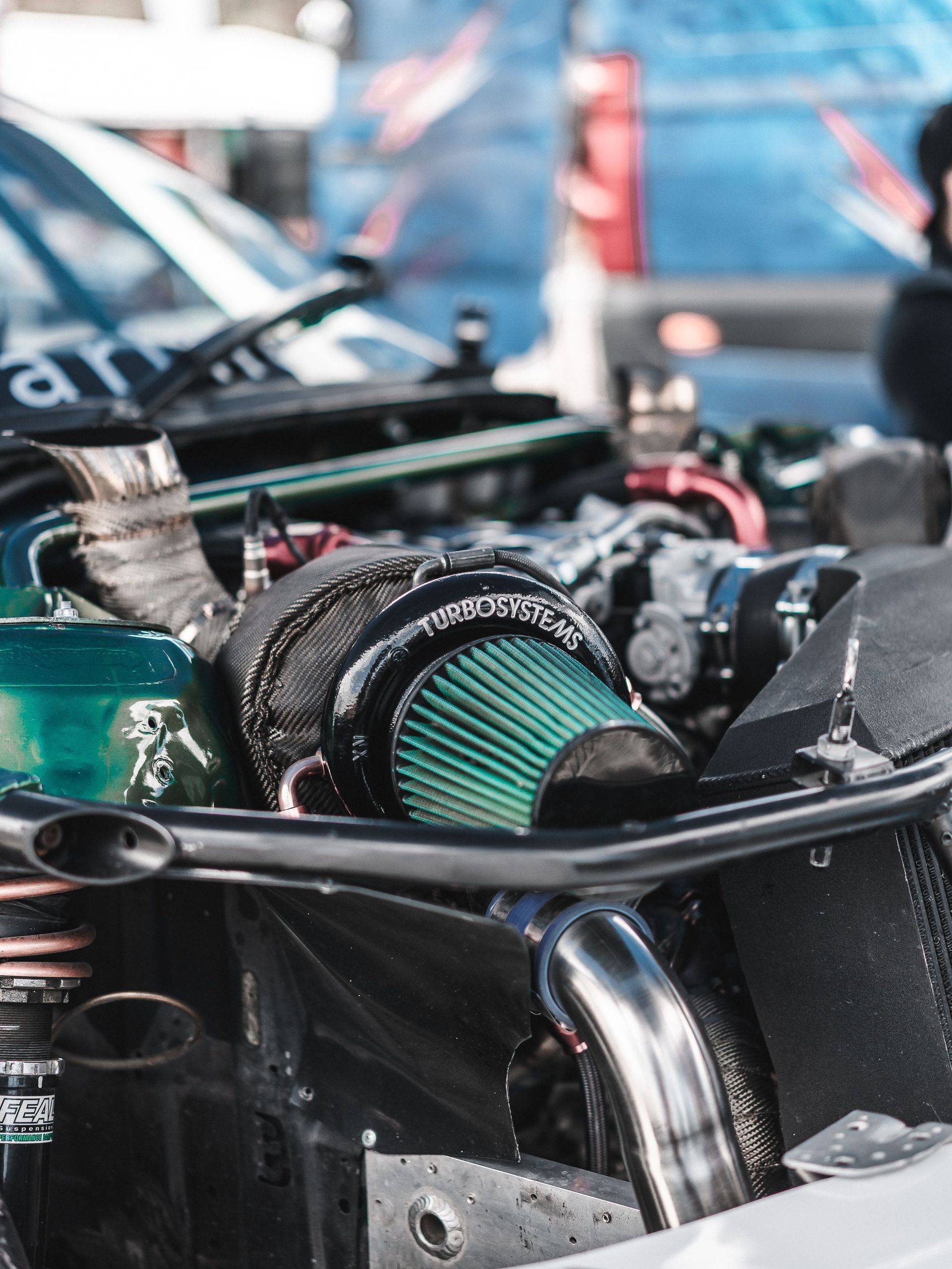
ECU tuning is one of the most common places drivers look when they want more performance. Modern vehicles rely heavily on electronic engine management, and custom calibration can affect throttle response, boost pressure, fueling, ignition timing, and other parameters depending on the vehicle. When paired with the right supporting modifications, tuning can help the engine make better use of the hardware already installed.
Intake and exhaust upgrades are also popular because they can affect airflow and sound. On some vehicles, these parts may provide modest performance gains on their own. On others, their biggest value comes from supporting additional modifications or helping a tuned engine breathe more efficiently.
- ECU tuning: Adjusts engine management to improve response, power delivery, and compatibility with other modifications.
- Intake upgrades: Can improve airflow and change intake sound depending on the vehicle and system design.
- Exhaust upgrades: May reduce restriction, change exhaust tone, and support higher-performance engine setups.
- Turbocharger or supercharger upgrades: Can create substantial power gains but usually require additional supporting modifications.
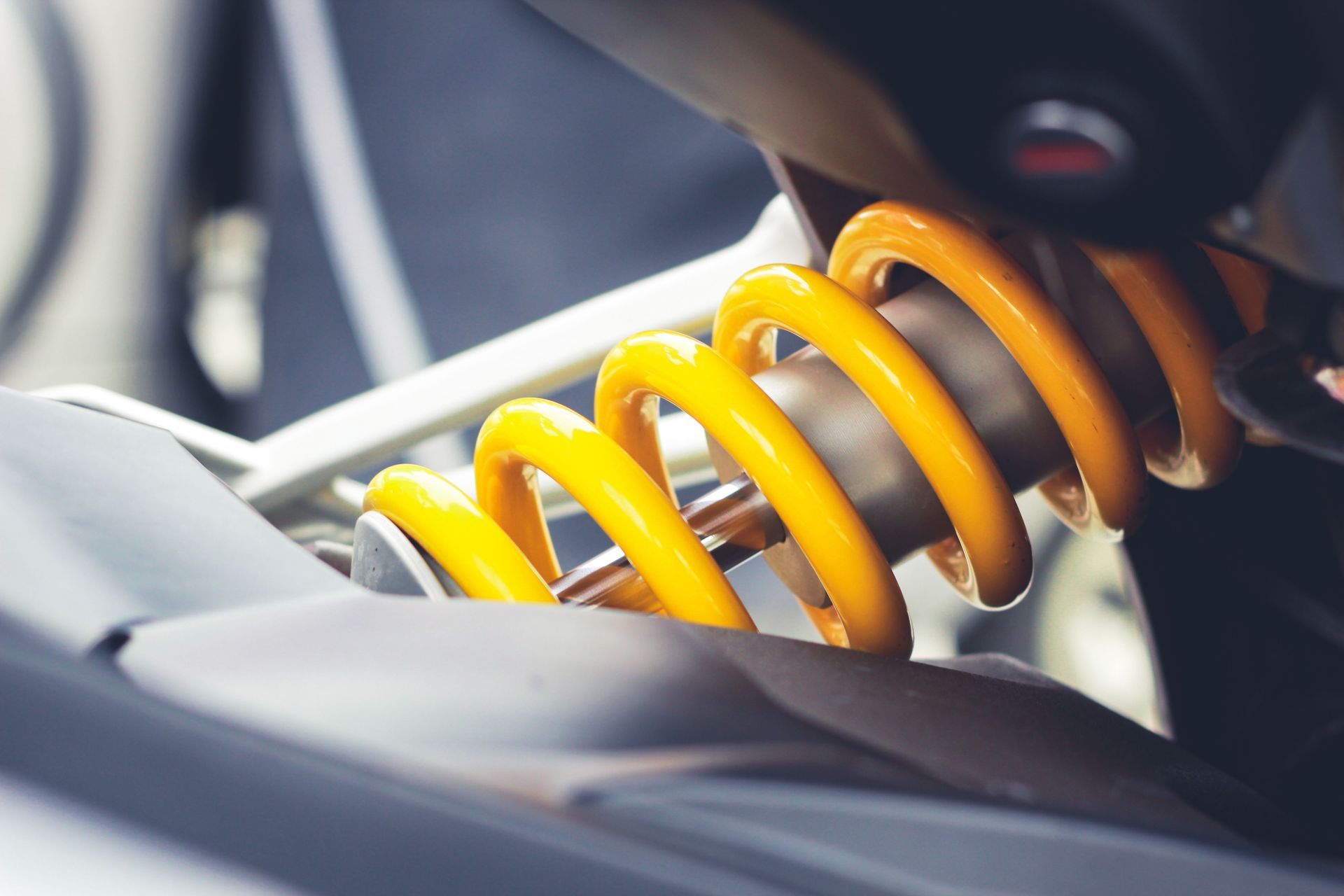
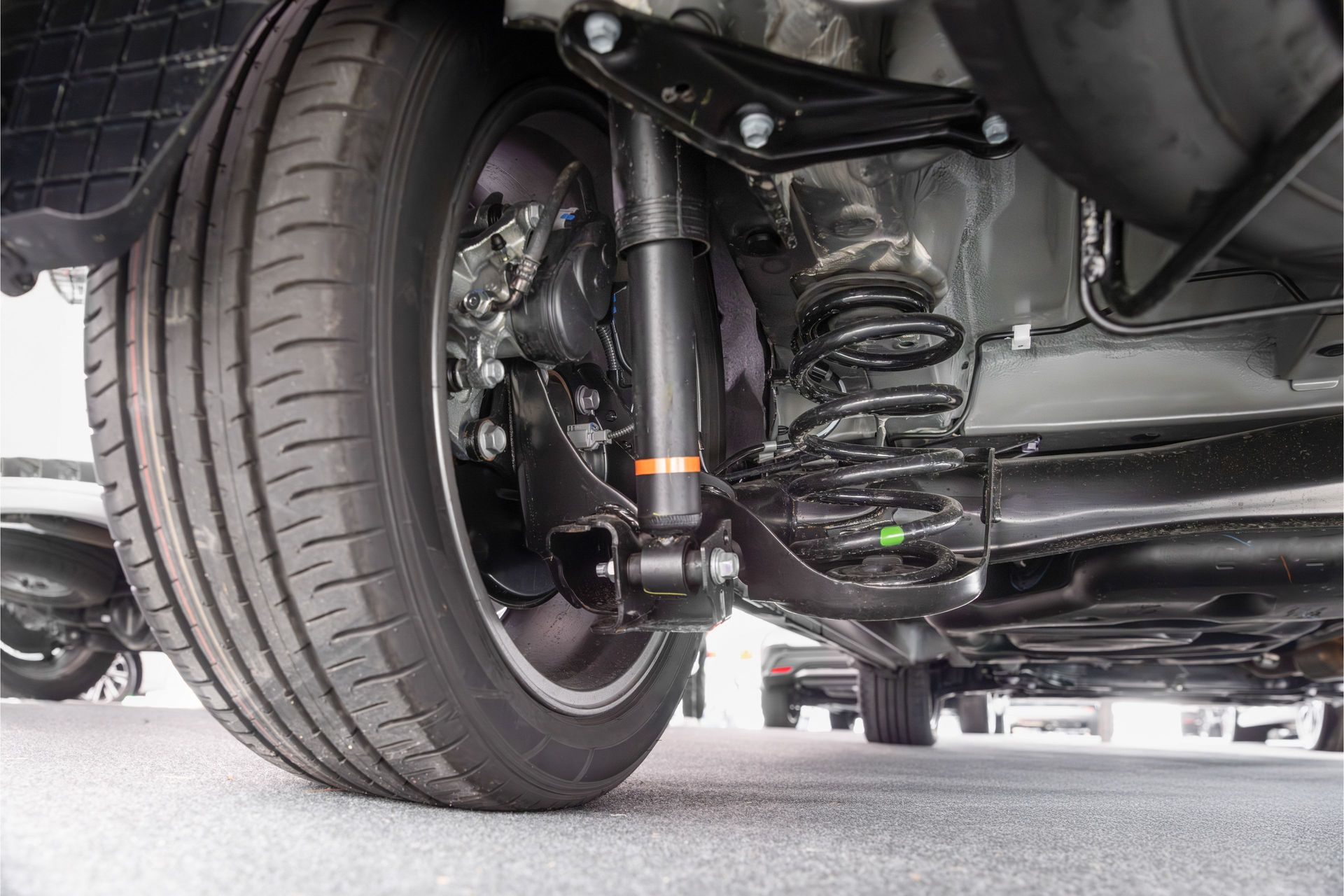
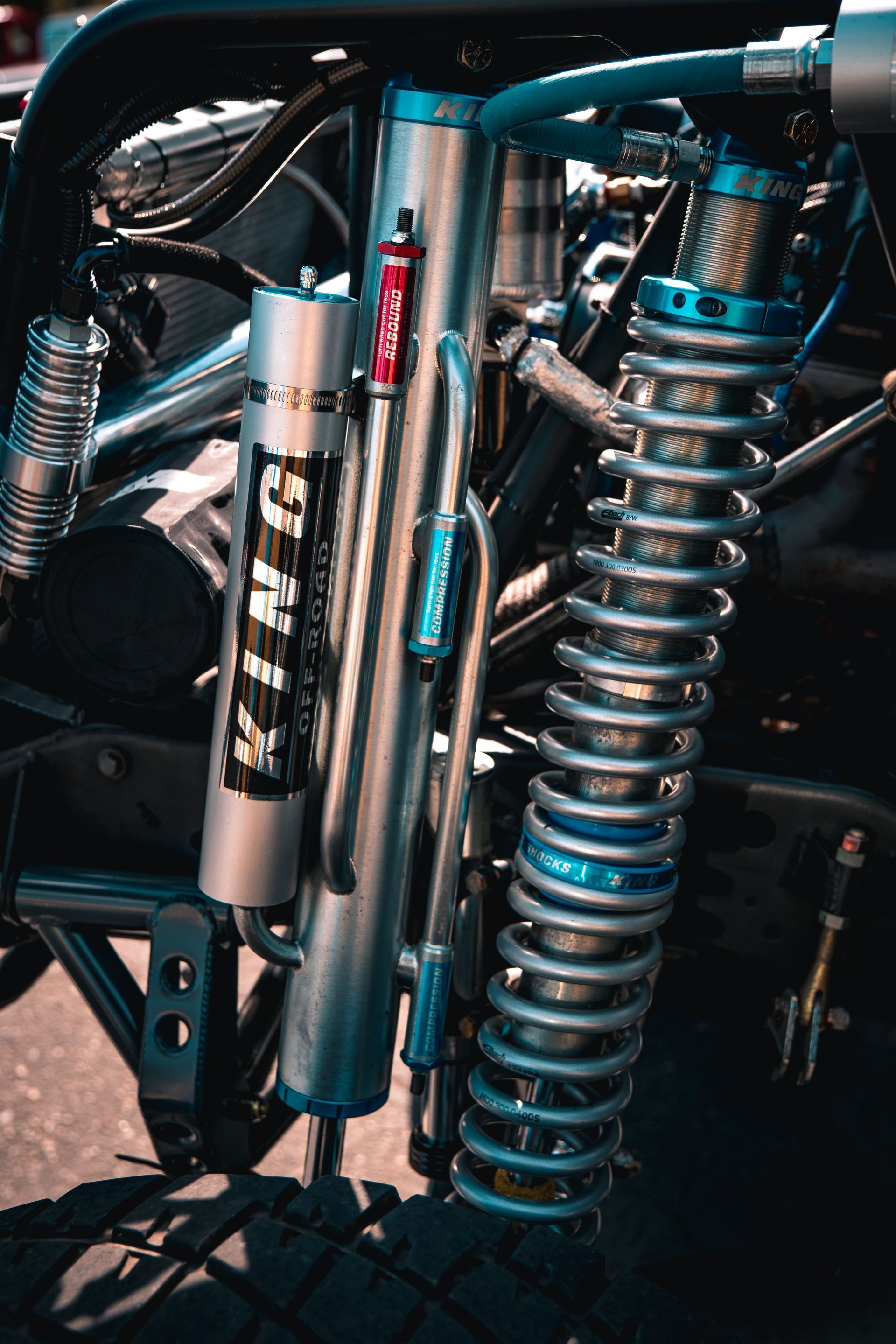
- Suspension upgrades: Help control body movement, improve cornering response, and change how connected the vehicle feels to the road.
- Performance brakes: Improve stopping confidence and consistency, particularly during aggressive or repeated braking.
- Dyno testing: Provides measurable data so performance changes can be evaluated instead of guessed at.
- Custom calibration: Helps ensure modifications work together as part of the same performance package.
Why More Horsepower Isn’t Always the Best First Upgrade
Horsepower is easy to measure and fun to talk about, but it is only one part of performance. A vehicle with more power but weak brakes, worn suspension, poor tires, or inconsistent alignment may actually become less enjoyable to drive.
For many street-driven cars, improving the chassis can make an immediate difference. A vehicle that stays flatter through corners, responds more precisely to steering input, and stops confidently can feel much quicker even if engine output stays the same.
Brakes are especially important when power begins to increase. Faster acceleration means the vehicle can reach higher speeds more quickly, which places greater demands on the braking system. Performance brake pads, upgraded rotors, better fluid, or other components may be appropriate depending on the vehicle and how it is driven.
Suspension modifications also deserve careful consideration. Lowering springs, coilovers, sway bars, and other components can improve handling when they are properly matched to the vehicle. However, an overly aggressive setup can reduce comfort or create handling problems if alignment and suspension geometry are ignored.
Use Data Instead of Guessing
One advantage of professional performance tuning is the ability to test and evaluate changes. Dyno testing can provide information about horsepower, torque, and power delivery across the RPM range. That data can help identify whether a modification is working as expected and whether additional calibration is needed.
This is especially useful when several performance upgrades are installed together. A driver may add intake, exhaust, fueling, and turbo-related modifications, but the final result depends on how well those parts work as one system. Custom tuning can help bring the combination together rather than relying on generic assumptions.
For drivers looking for ECU tuning in Marietta, GA, custom car tuning in Cobb County, or performance upgrades near Atlanta, working from measurable results can help create a setup that is both more predictable and more appropriate for the driver's goals.
Performance Parts Should Work as a System
Performance builds become more complicated as power levels and modification goals increase. Adding one major component can affect several other systems in the vehicle. That is why successful builds are usually planned as complete systems rather than collections of unrelated upgrades.
A turbocharger or supercharger upgrade is a good example. Increasing airflow and boost can create significant power, but the engine may also need sufficient fuel delivery, cooling, exhaust flow, and appropriate ECU calibration. The transmission, clutch, drivetrain, tires, suspension, and brakes may also become more important as output increases.
Before beginning a major performance build, it is also important to make sure the vehicle is mechanically healthy. Adding more power to a car with cooling problems, oil leaks, worn ignition components, weak brakes, or unresolved maintenance issues can create additional problems rather than improving the driving experience.
- Mechanical condition: Address existing maintenance and repair issues before adding significant performance.
- Daily-driver or weekend use: Decide how much comfort, noise, and drivability you are willing to trade for performance.
- Power goals: Set a realistic horsepower or torque target rather than modifying without a clear endpoint.
- Handling goals: Consider whether cornering and braking performance matter as much as acceleration.
- Fuel requirements: Some tunes and performance setups may require specific fuel grades or blends.
- Reliability priorities: A street vehicle may need a more conservative setup than a dedicated track car.
- Existing modifications: New parts should be selected with the vehicle's current setup in mind.
- Future plans: Planning ahead can prevent buying components that will need to be replaced during the next stage of the build.
Street Builds and Track Builds Have Different Priorities
A street car has to perform in many situations. It may sit in Atlanta-area traffic, make short trips around Marietta, travel on the highway, and still need to be enjoyable on a winding road. That usually means balancing performance with reliability, ride quality, noise, fuel requirements, and everyday drivability.
Track-focused vehicles can prioritize performance more aggressively. Brake temperatures, suspension control, cooling, tire grip, and consistency over repeated hard laps become much more important. A setup that feels excellent on a track may be unnecessarily harsh or inconvenient for someone who drives the same car to work every morning.
This is why there is no single best performance setup. A tuned BMW, Audi, Volkswagen, Mustang, sport compact, or other performance vehicle should be built around the conditions where it will actually spend its time. Matching modifications to the intended use can provide a better result than simply installing the most aggressive parts available.
Performance Tuning and Custom Car Builds in Marietta, GA
Gearhead Auto Repair provides performance and tuning services for drivers in Marietta, Cobb County, and surrounding Metro Atlanta communities. From ECU tuning and intake or exhaust upgrades to suspension, brakes, forced induction, dyno testing, and complete street or track setups, the goal is to build a vehicle whose modifications work together.
Drivers from Marietta, Smyrna, Kennesaw, East Cobb, Roswell, and nearby areas who are considering performance upgrades can benefit from planning the build before purchasing parts. A clear strategy can help prioritize the changes that will make the biggest difference while leaving room for future upgrades.
- Decide what you want the vehicle to do better.
- Make sure the car is mechanically healthy before modifying it.
- Set realistic power, handling, and budget goals.
- Choose upgrades that complement one another.
- Use proper tuning and testing to evaluate the finished setup.
Whether the goal is a sharper daily driver, a more powerful weekend car, or a complete street and track build, thoughtful planning usually delivers a better result than chasing one performance number. The right combination of power, handling, braking, and tuning can make the entire vehicle feel more capable.
If you are searching for performance tuning in Marietta, GA, ECU tuning in Cobb County, or a performance auto shop near Atlanta, Gearhead Auto Repair can help develop a setup around your vehicle, driving style, and long-term goals. The best upgrades are the ones that work together and make the car perform better where it matters most: behind the wheel.
Recent Posts