Does Your Car Need an Alignment or Suspension Repair? Signs Marietta Drivers Should Watch For
What Your Car’s Handling May Be Trying to Tell You
Most drivers know how their vehicle normally feels on the road. You know how much effort it takes to turn the steering wheel, how the car responds when changing lanes, and whether it tracks straight when cruising down the highway. When something about that familiar feel begins to change, your alignment or suspension may be trying to tell you that something needs attention.
For drivers in Marietta and throughout Cobb County, alignment and suspension problems can develop gradually or appear after a specific event, such as hitting a pothole or curb. At first, the change may be subtle. You might find yourself making small steering corrections more often, or you may notice that the steering wheel is no longer perfectly centered when the vehicle is traveling straight.
Other symptoms can be much easier to spot. Uneven tire wear, excessive bouncing, unusual noises, or a car that consistently pulls toward one side of the road are all reasons to have the vehicle inspected.
Common signs your alignment or suspension may need attention include:
- Your vehicle consistently pulls or drifts to one side
- The steering wheel sits off-center while driving straight
- Your tires are wearing unevenly or faster than expected
- The vehicle feels unstable or wanders at higher speeds
- You notice excessive bouncing after driving over bumps
- You hear clunking, knocking, or other noises from underneath the vehicle
- The steering feels loose, vague, or less responsive than usual
One of the biggest mistakes drivers can make is assuming that every steering or handling problem means the vehicle simply needs an alignment. Alignment problems can certainly cause pulling and uneven tire wear, but worn suspension or steering components can create similar symptoms. In some cases, those worn parts need to be addressed before an alignment can be performed properly.
Pay Attention to What Your Tires Are Showing You
Your tires can provide valuable clues about the condition of your alignment and suspension. When the wheels are properly aligned and the suspension is working as intended, the tires should maintain consistent contact with the road. When something changes, the tread may begin wearing differently across the tire.
For example, you may notice that the inside or outside edge of a tire is wearing much faster than the rest of the tread. Another tire may develop an irregular or uneven wear pattern. These issues can shorten the life of an otherwise good set of tires and may indicate that the wheels are no longer positioned correctly or that a suspension component is affecting how the tire meets the road.
This is especially important after purchasing new tires. A fresh set can be a significant investment, and an existing alignment or suspension problem can begin wearing those new tires unevenly almost immediately. Checking the vehicle's alignment and suspension can help protect that investment and ensure the tires have the opportunity to wear more evenly.
If you notice unusual tire wear along with changes in steering or handling, it is a good idea to have the vehicle inspected rather than waiting until the tires themselves need replacement. Finding the underlying cause early can help prevent one problem from creating additional repair costs.
Wheel Alignment and Suspension Problems Aren’t the Same Thing
Alignment and suspension are closely connected, but they describe different parts of how your vehicle travels down the road. Understanding the difference can make it easier to understand why a technician may recommend more than a simple alignment when you bring in a vehicle that pulls, wanders, or wears tires unevenly.
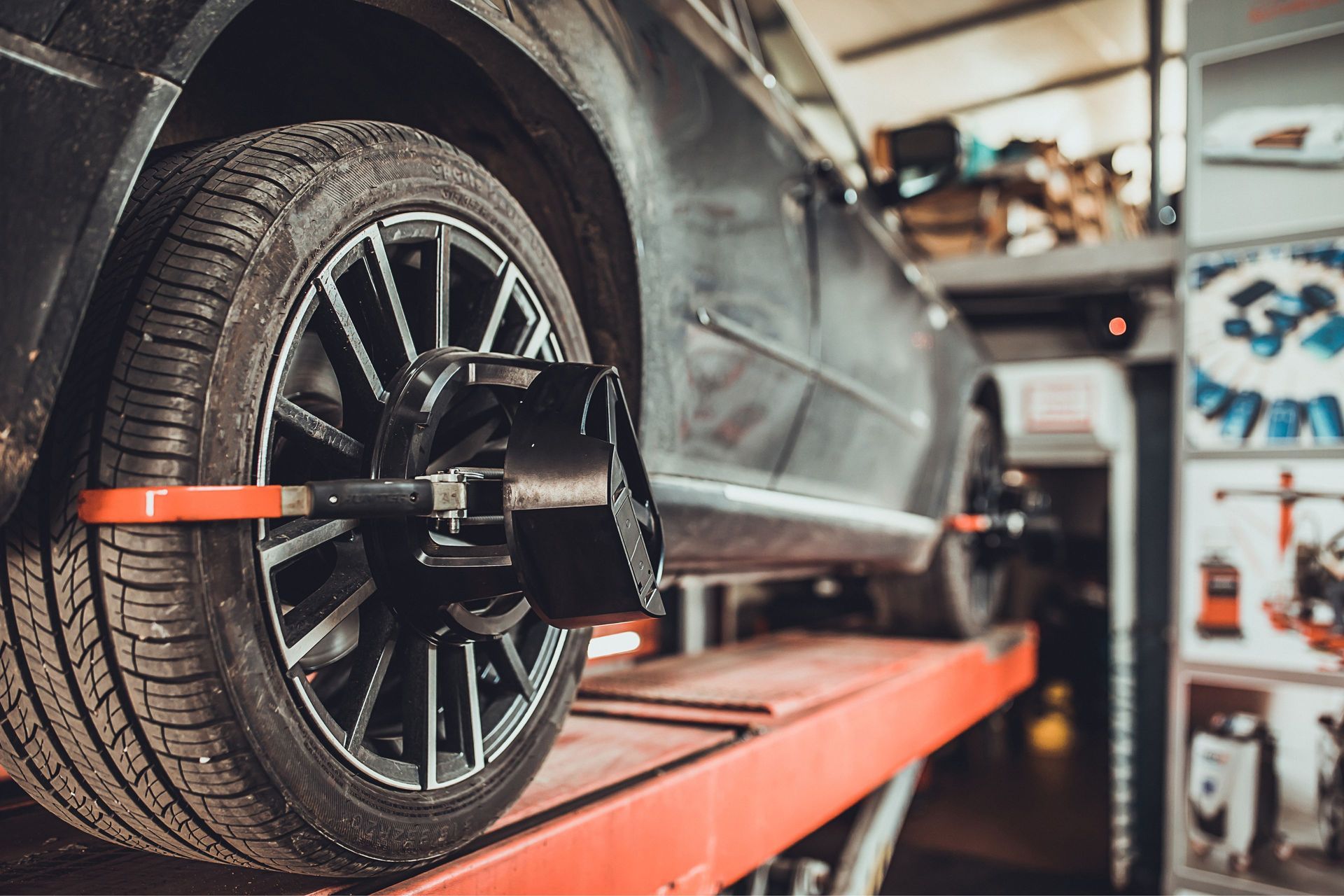
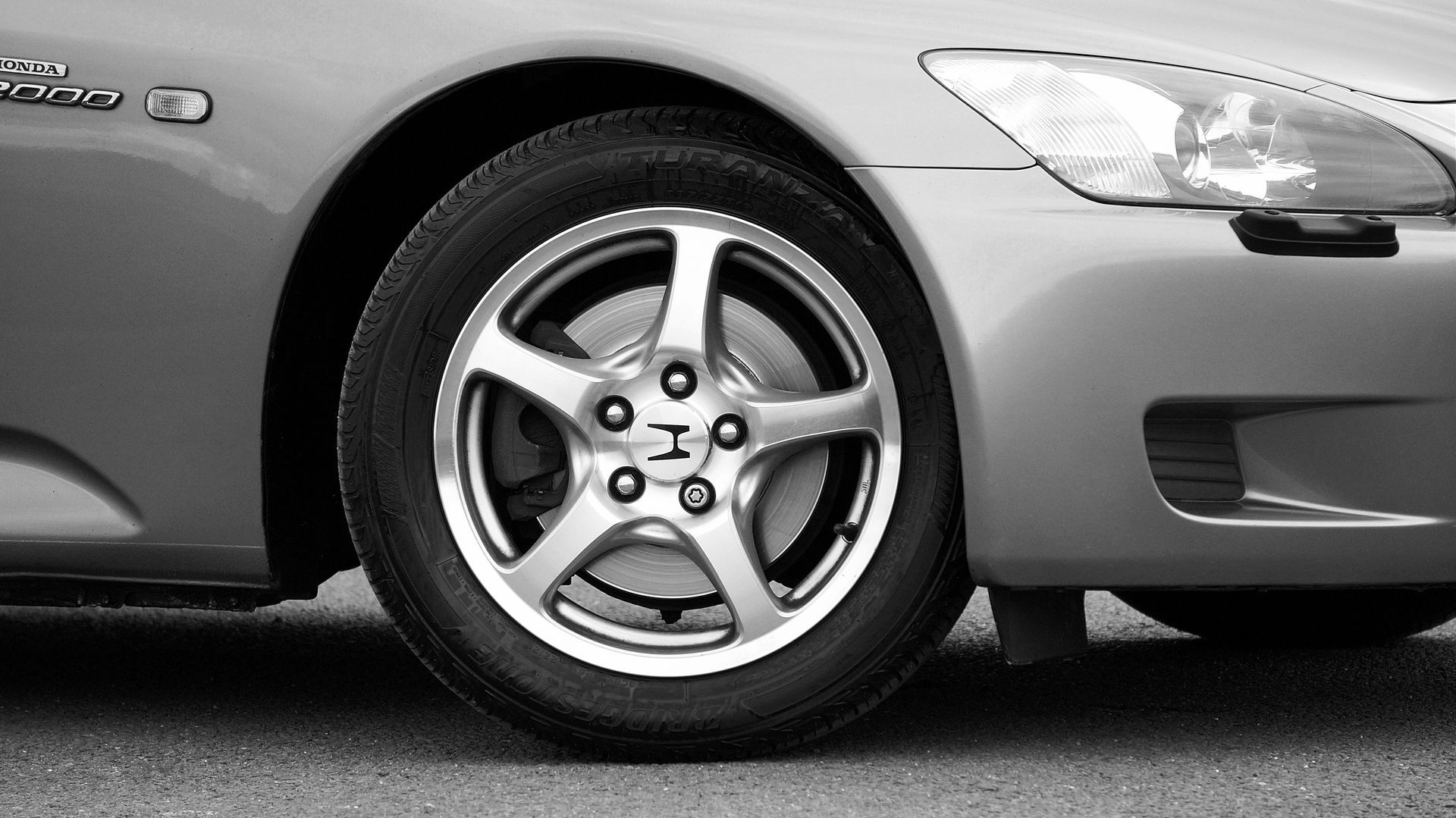
Wheel alignment refers to the angles at which the wheels and tires are positioned in relation to the vehicle and the road. Technicians commonly look at measurements known as camber, caster, and toe. You do not need to memorize those terms to understand the basic idea: the wheels need to be positioned correctly so the tires can travel down the road as intended.
When those angles move outside the correct specifications, the vehicle may pull, the steering wheel may sit crooked, or the tires may begin wearing unevenly. Alignment can be affected by normal wear as well as impacts from potholes, curbs, road debris, and other rough driving conditions.
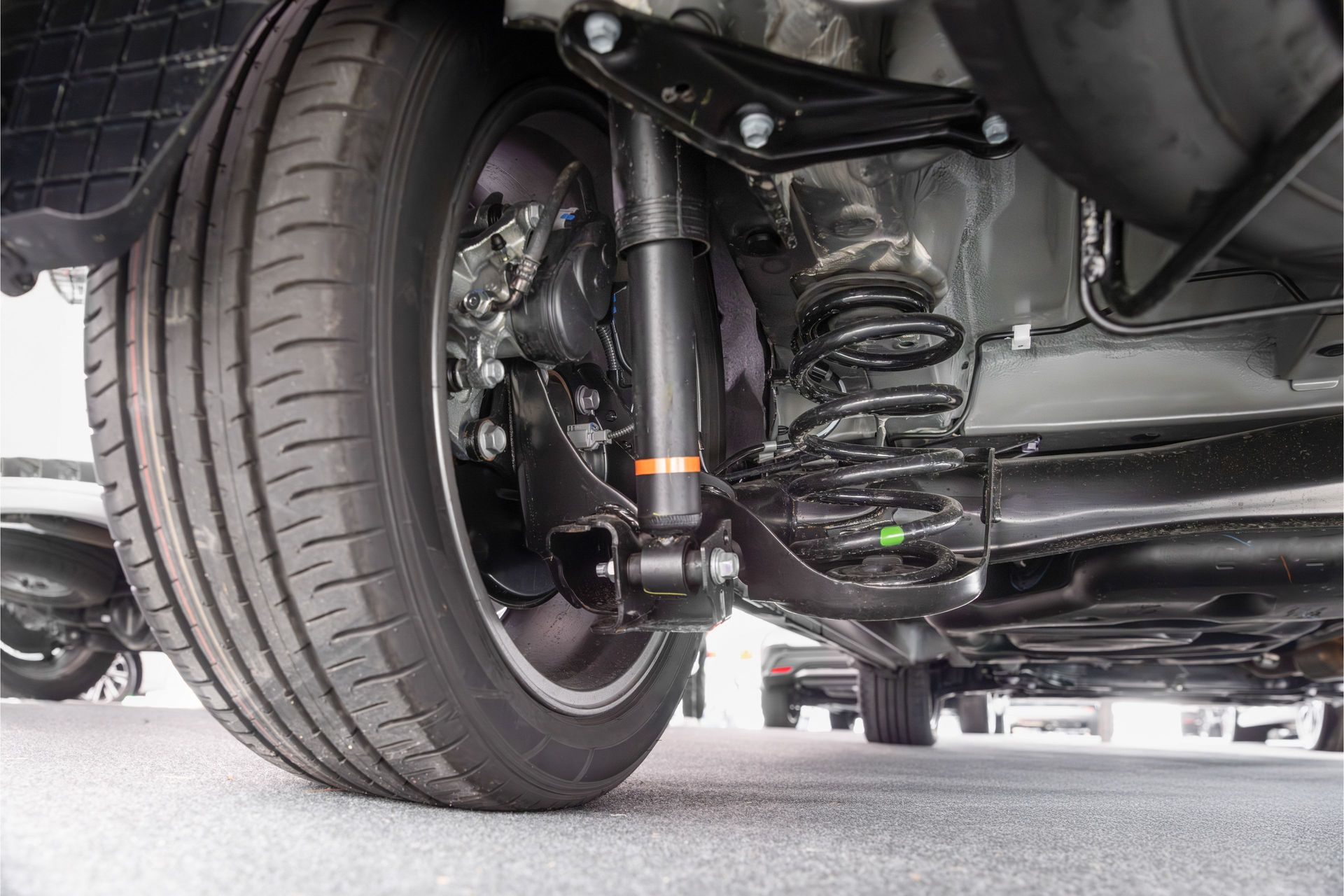
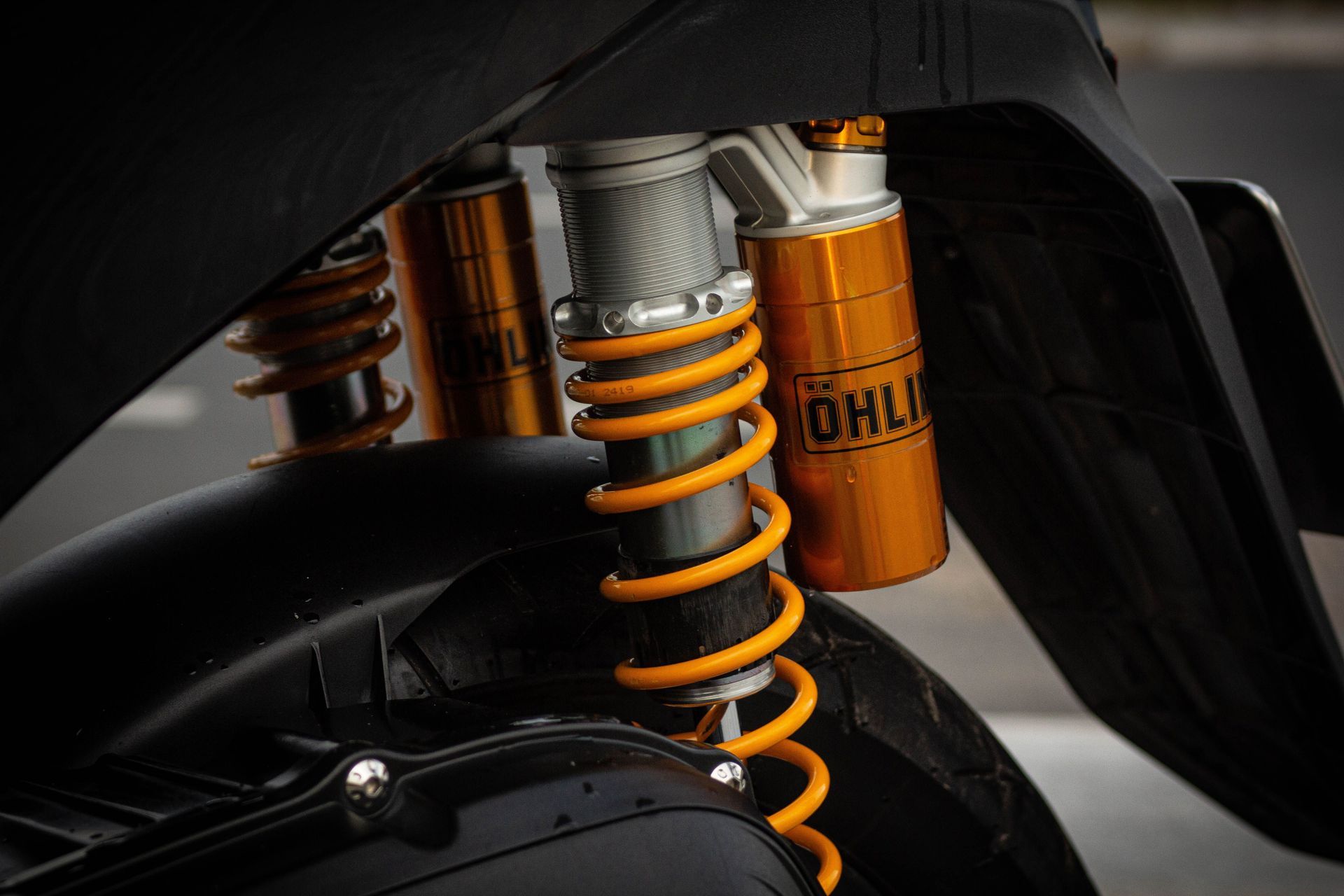
The suspension has a different job. Components such as shocks, struts, bushings, and related parts help control vehicle movement and keep the tires properly connected to the road. As those components wear, drivers may notice bouncing, noises, instability, or changes in steering response.
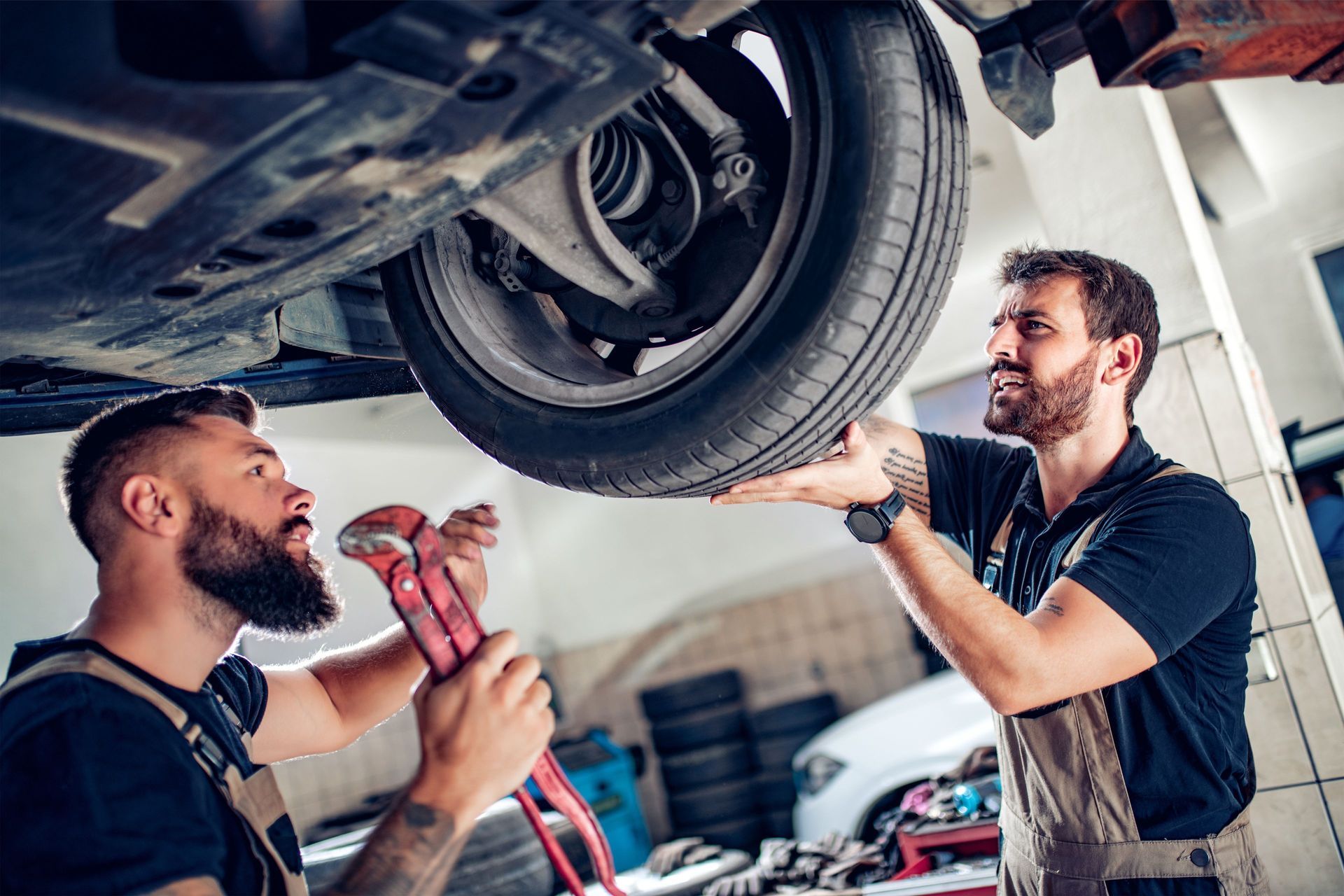
When a vehicle comes in with handling or tire-wear concerns, a technician may need to check:
- Wheel alignment measurements
- Tire condition and tread-wear patterns
- Shocks and struts
- Suspension bushings and related components
- Steering components
- Signs of damage from potholes or curb impacts
- Whether worn parts could prevent the vehicle from holding a proper alignment
This inspection matters because adjusting the alignment without addressing a worn or damaged component may not solve the underlying problem. If a suspension or steering part allows excessive movement, the wheel alignment may not remain where it should even after adjustments are made.
Why Ignoring the Symptoms Can Cost You More
A vehicle that pulls slightly to one side may seem more annoying than serious, particularly if you have gotten used to correcting the steering without thinking about it. However, continuing to drive with an alignment or suspension problem can affect other parts of the vehicle over time.
Tire wear is one of the most obvious examples. Tires are designed to contact the road in a particular way. If poor alignment causes one edge to carry more of the load, usable tread can disappear from that portion of the tire while the rest still looks relatively healthy.
Handling can also become less predictable. Worn shocks or struts may allow the vehicle to bounce excessively after bumps, while other suspension or steering problems can make the car feel less stable during turns or lane changes. Those changes are especially noticeable at highway speeds or during sudden maneuvers.
Some of the potential consequences of delaying an alignment or suspension inspection include:
- Shorter tire life. Uneven wear may force you to replace tires sooner than expected.
- Reduced handling. Steering and suspension problems can make the vehicle feel less predictable.
- Additional component wear. Continuing to drive with damaged or worn parts can place additional stress on related components.
- A rougher ride. Worn suspension parts can reduce the vehicle's ability to absorb bumps and road imperfections.
- More expensive repairs later. Addressing a problem early may prevent it from affecting other parts of the vehicle.
Marietta drivers deal with everything from everyday commuting to construction zones, rough pavement, and the occasional unavoidable pothole. Even one hard impact can change the way a vehicle feels. If the steering or ride suddenly seems different afterward, having it inspected can help determine whether anything was knocked out of alignment or damaged.
When Should You Schedule an Alignment or Suspension Inspection?
You do not necessarily need to wait for a dashboard warning light or an obvious mechanical failure to have your alignment and suspension checked. In fact, many of the most useful warning signs are things the driver can see, hear, or feel during everyday driving.
A significant pothole or curb impact is one good reason to pay closer attention to the vehicle afterward. If the steering wheel suddenly sits at a different angle, the car begins pulling, or a new vibration or noise appears, an inspection can help identify whether the impact affected the alignment, suspension, steering, tire, or wheel.
Installing new tires can also be a good time to consider an alignment check. New tires will not correct an existing alignment issue, and starting with the wheels positioned correctly can help protect the new tread from unnecessary uneven wear.
Good times to have your alignment and suspension checked include:
- After hitting a large pothole or curb
- When the vehicle begins pulling to one side
- If the steering wheel is no longer centered
- When you notice uneven tire wear
- Before or after installing a new set of tires
- If the vehicle begins bouncing excessively over bumps
- When you hear new clunking or knocking noises
- If the steering feels loose or the vehicle seems less stable than normal
It is also worth mentioning any recent changes when bringing the vehicle to a repair shop. If the problem started immediately after hitting a pothole, say so. If the tires have been wearing strangely for months, that information can help. The more context a technician has, the easier it can be to narrow down what needs to be inspected.
Alignment and Suspension Repair in Marietta, GA
When a car no longer drives the way it used to, finding the actual cause is more useful than simply treating the most obvious symptom. A vehicle that pulls may need an alignment, but it could also have worn suspension or steering components. Uneven tire wear may point toward alignment, but the condition of the tires and suspension should also be considered.
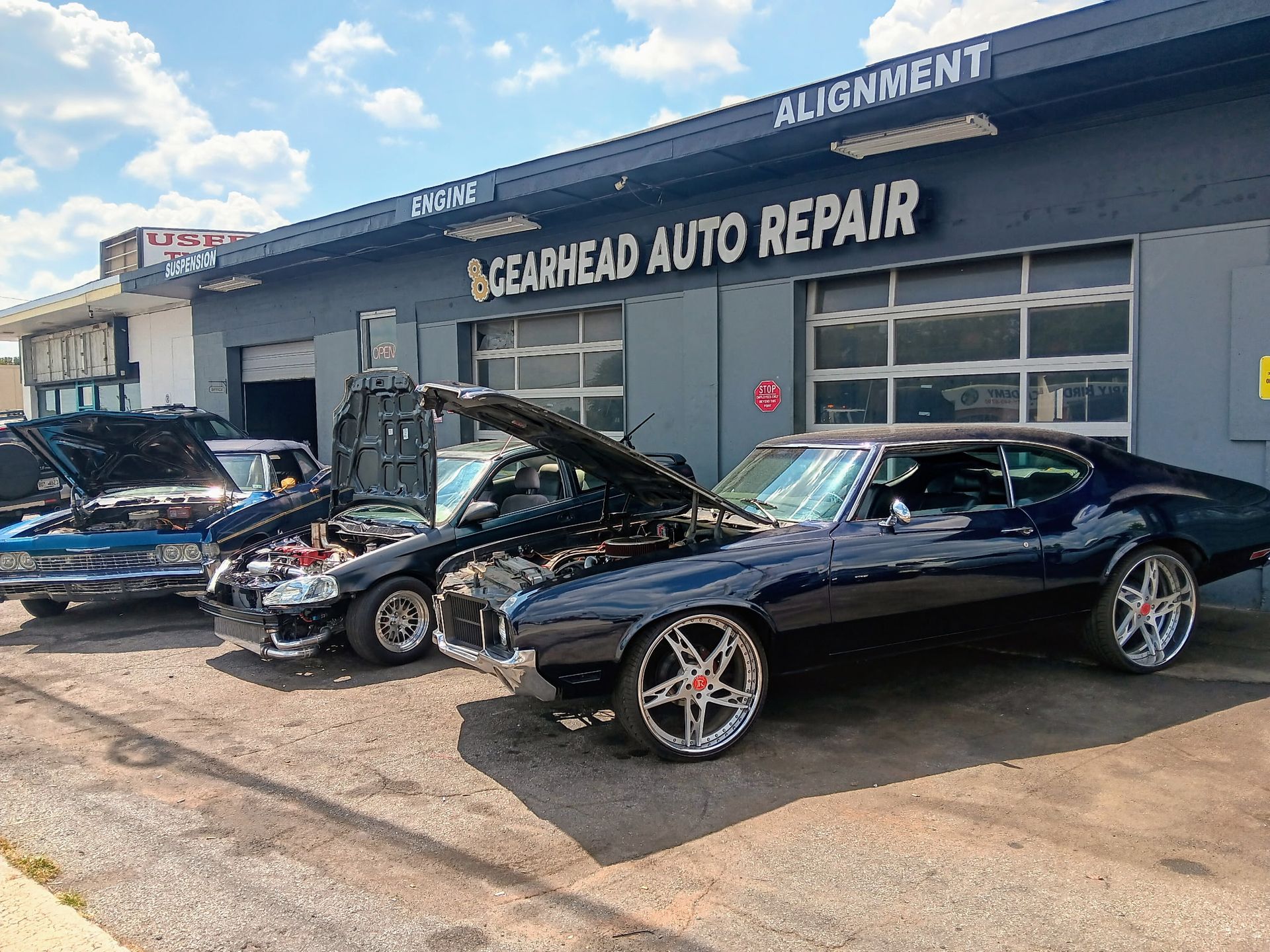
Gearhead Auto Repair provides alignment, suspension, steering, and general auto repair services for drivers in Marietta, GA and surrounding Cobb County and North Metro Atlanta communities. Their technicians can evaluate how the vehicle is driving, inspect relevant components, and determine what may be contributing to the problem.
An alignment and suspension inspection can help answer important questions such as:
- Are the wheels currently aligned to the proper specifications?
- Is a worn suspension component affecting the alignment?
- Are shocks or struts contributing to poor ride quality?
- Is unusual tire wear connected to a mechanical issue?
- Did a recent pothole or curb impact damage anything?
- What needs to be repaired before an alignment can be completed correctly?
Proper alignment is not only about making the steering wheel look straight. It contributes to predictable handling, proper tire contact with the road, and more even tire wear. Likewise, a healthy suspension system helps the vehicle remain controlled and comfortable as it travels over changing road surfaces.
If your car is pulling, bouncing, wearing through tires unevenly, making suspension noises, or simply does not feel as stable as it once did, it is worth having the problem checked before it becomes more expensive. Small changes in handling are often easier to address when the underlying cause is identified early.
For drivers looking for wheel alignment or suspension repair in Marietta, GA, Gearhead Auto Repair can inspect the vehicle and help determine what it needs. Whether the problem is alignment, worn suspension components, steering, tires, or a combination of issues, getting an accurate diagnosis is the first step toward getting the vehicle driving the way it should again.
Recent Posts